

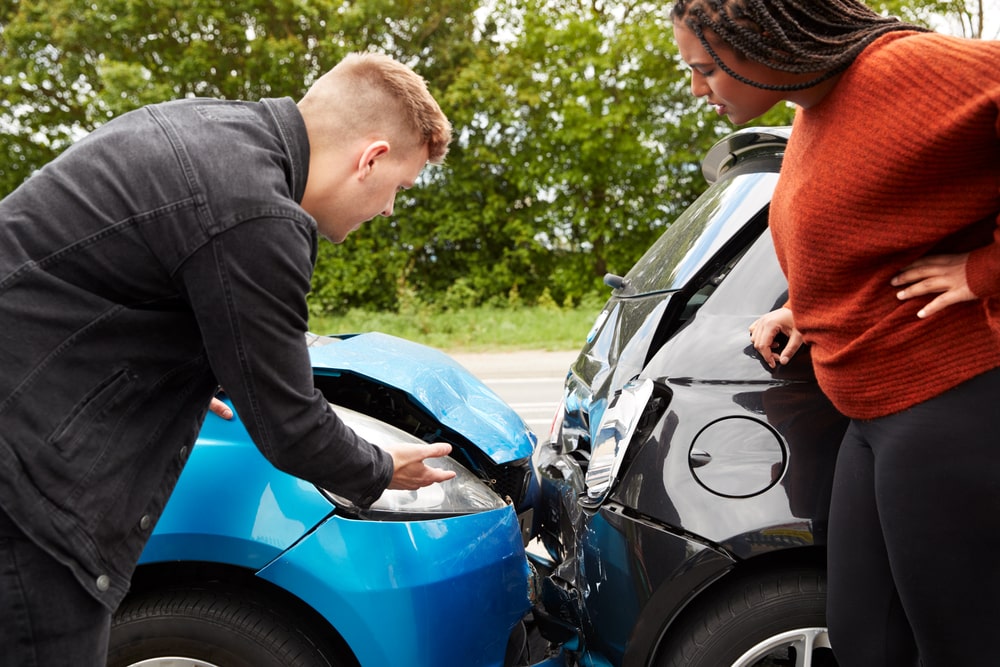
Driving requires a continuous series of decisions. A driver must monitor traffic, maintain a safe speed, watch for pedestrians and cyclists, respond to traffic signals, and anticipate what other motorists may do next. Distraction interferes with that process, sometimes for only a few seconds, but those seconds can be enough to cause a serious collision.
Distracted driving is not limited to texting. Many ordinary activities can take a driver’s attention away from the road. A car accident lawyer can help people injured by a distracted driver understand their legal rights and potential options for pursuing compensation.
Three Types of Driving Distraction
The National Highway Traffic Safety Administration commonly describes distraction in three categories: visual, manual, and cognitive.
Visual distraction occurs when a driver looks away from the roadway. Manual distraction occurs when a driver removes one or both hands from the task of controlling the vehicle. Cognitive distraction occurs when the driver’s mind is focused on something other than driving.
Many distracting activities involve more than one category.
Using a handheld phone, for example, may require a driver to look at a screen, manipulate the device, and concentrate on a conversation or message at the same time.
Phones Are Only Part of the Problem
Cellphones receive significant attention in discussions about distracted driving, but they are not the only source.
Drivers may become distracted while adjusting navigation systems, changing music, eating, reaching for objects, talking with passengers, attending to children, or looking at something happening outside the vehicle.
Even a familiar activity can become dangerous when it takes attention away from changing traffic conditions.
Why a Few Seconds Matter
Traffic conditions can change rapidly.
A vehicle ahead may brake. A traffic signal may change. A pedestrian may enter a crosswalk. A cyclist may move around an obstruction. Another driver may merge unexpectedly.
A distracted driver has less time to perceive the hazard, decide what to do, and react.
That delay can mean the difference between stopping safely and causing a collision.
Distraction Can Affect Following Distance
Maintaining adequate space behind another vehicle requires constant attention. Distracted drivers may fail to recognize that traffic ahead is slowing.
This is one reason distraction can contribute to rear-end crashes, particularly in congested traffic or near intersections.
A driver who looks down at a device may continue traveling at the same speed even as the vehicle ahead begins braking.
Intersections Demand Extra Attention
Intersections are especially complicated because drivers must process information coming from several directions.
Traffic signals, stop signs, turning vehicles, pedestrians, bicycles, and approaching traffic may all require attention at once.
A momentary distraction can cause a driver to miss a red light, overlook a pedestrian, fail to yield, or begin a turn without recognizing an approaching vehicle.
Hands-Free Does Not Eliminate Every Distraction
Hands-free technology can reduce the need to physically handle a device, but it does not necessarily eliminate cognitive distraction.
A driver deeply engaged in a conversation may still devote less mental attention to surrounding traffic.
Technology can assist drivers, but it does not replace the need to remain mentally engaged with the driving task.
Preventing Distracted Driving
Many distractions can be reduced before the vehicle begins moving.
Drivers can enter destinations into navigation systems, select music, silence unnecessary notifications, secure loose objects, and make other adjustments before starting the trip.
If something requires substantial attention while driving, pulling over in a safe location is generally the better option.
Passengers can also help by handling navigation, responding to messages, or assisting with other tasks that might otherwise distract the driver.
Distraction After a Collision
When investigating how an accident occurred, distraction may become one of many factors considered.
Witness statements, vehicle information, photographs, video footage, electronic records, and the movements of the vehicles can sometimes help explain why a driver failed to react to an obvious hazard.
The attorneys at Isaacson, Schiowitz & Korson, LLP encourage drivers to remember that avoiding distraction is not simply about following a rule. It is about preserving the time and attention needed to respond when something unexpected happens.
The Bottom Line
Safe driving depends on attention. Roads are dynamic environments, and conditions can change in seconds.
Putting away a phone is an important start, but preventing distracted driving requires more than that. Drivers should recognize the many visual, manual, and mental distractions competing for their attention and make a conscious effort to keep the primary focus where it belongs: on the road.